
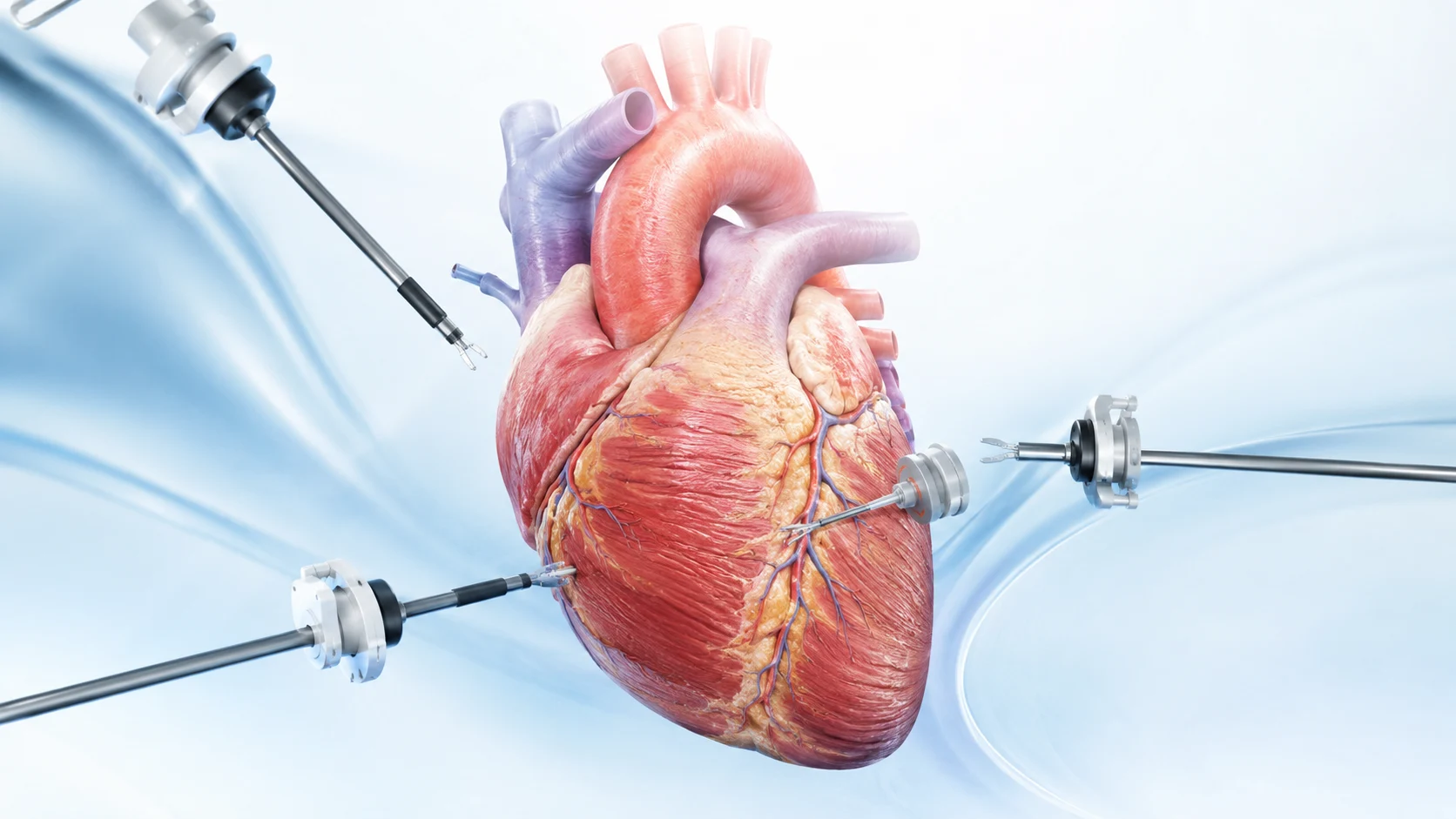
Minimally invasive heart surgery has changed the way selected heart conditions can be treated. Instead of using a larger traditional surgical opening, minimally invasive techniques allow cardiac surgeons to perform certain procedures through smaller access points using specialized instruments and advanced surgical technology.
For appropriately selected patients, this approach may offer advantages such as smaller incisions, less disruption of surrounding tissues, smaller scars, and potentially faster recovery. However, minimally invasive heart surgery is not suitable for everyone.
Whether a patient is a good candidate depends on the type of heart disease, its severity, individual anatomy, previous surgeries, overall health, and the complexity of the procedure required.
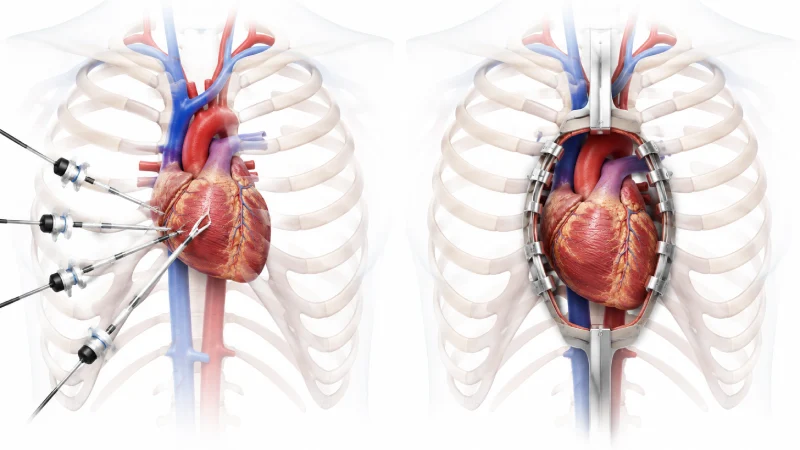
What Is Minimally Invasive Heart Surgery?
Minimally invasive heart surgery refers to cardiac procedures performed through smaller surgical access points compared with conventional open cardiac surgery. Depending on the procedure, specialized instruments, cameras, or robotic technology may be used to assist the surgical team.
The goal is not simply to make a smaller incision. The primary objective remains the safe and effective treatment of the underlying heart condition while reducing surgical disruption whenever a less invasive approach is clinically appropriate.

Who May Be a Candidate for Minimally Invasive Heart Surgery?
Patients may be considered for minimally invasive cardiac surgery when their heart condition can be effectively treated through a smaller-access approach and their anatomy and overall medical condition make the technique appropriate.
Depending on individual circumstances, potential candidates may include selected patients requiring treatment for:
- Mitral valve disease
- Aortic valve disease
- Selected coronary artery disease
- Certain structural heart conditions
- Selected cardiac tumours or masses
- Other cardiac conditions suitable for minimally invasive surgical access
Having one of these conditions does not automatically mean that minimally invasive surgery is appropriate. A detailed evaluation by a cardiothoracic surgeon is necessary before deciding on the surgical approach.
1. Patients With Mitral Valve Disease
Selected patients who require mitral valve repair or replacement may be candidates for minimally invasive surgery. In suitable cases, the surgeon may be able to access the mitral valve through smaller incisions rather than a conventional full sternotomy.
The choice between valve repair and replacement—and between minimally invasive and conventional surgery—depends on the type of valve disease, valve anatomy, severity of the condition, heart function, symptoms, and overall health.
2. Patients With Aortic Valve Disease
Some patients requiring surgical treatment for aortic valve disease may also be evaluated for a minimally invasive approach. A diseased aortic valve can interfere with normal blood flow from the heart and may eventually affect heart function.
Detailed imaging and clinical assessment help determine the most appropriate treatment strategy for each patient.
3. Selected Patients With Coronary Artery Disease
Coronary artery disease occurs when the arteries supplying blood to the heart become narrowed or blocked. Coronary artery bypass grafting (CABG) is one surgical method used to improve blood flow around significant blockages.
Conventional CABG remains an important treatment for many patients. However, selected coronary conditions may sometimes be evaluated for less invasive surgical approaches.
The number of affected arteries, location of the blockages, coronary anatomy, heart function, and overall complexity of the disease are important factors when choosing the appropriate procedure.
4. Selected Patients With Cardiac Tumours
Cardiac tumours and masses are uncommon, but some may require surgical removal. Depending on the location, size, type, and relationship of the mass to nearby heart structures, selected cases may be evaluated for minimally invasive surgical treatment.
Detailed cardiac imaging is particularly important when planning these procedures because the surgical team must determine the safest and most effective way to access the affected area.
What Determines Whether You Are a Suitable Candidate?
There is no single test that can determine whether someone is suitable for minimally invasive heart surgery. Cardiothoracic surgeons evaluate several clinical and anatomical factors together.
Type of Heart Condition
The underlying diagnosis is one of the most important factors. Some cardiac procedures are more suitable for minimally invasive techniques than others.
Severity and Complexity of the Disease
Patients with the same general diagnosis may still require different treatments. The severity of the disease, involvement of other heart structures, and complexity of the required repair can significantly influence the surgical approach.
Heart Function
The medical team evaluates how effectively the heart is functioning and whether other areas of the heart have been affected. Echocardiography and other cardiac investigations can provide important information about the heart chambers, valves, and pumping function.
Previous Heart Surgery
A history of previous cardiac surgery can influence treatment planning. Previous surgery does not necessarily rule out a minimally invasive approach, but scar tissue and anatomical changes may make certain procedures more complex.
Overall Health
Age alone does not determine eligibility. Doctors consider the patient’s overall health, including lung function, kidney function, vascular health, mobility, other medical conditions, and expected ability to recover safely after surgery.
Individual Anatomy
The anatomy of the chest, blood vessels, heart, and the particular structure requiring treatment can influence how safely the heart can be accessed. Advanced imaging can help the surgical team evaluate these factors before treatment.
What Tests May Be Required Before Minimally Invasive Heart Surgery?
Preoperative evaluation varies according to the patient’s condition and the procedure being considered. The healthcare team may recommend several investigations to understand the heart problem and plan treatment safely.
Depending on individual circumstances, these may include:
- Electrocardiogram (ECG)
- Echocardiography
- Blood tests
- Chest imaging
- Coronary angiography when clinically indicated
- CT or other advanced cardiac imaging in selected cases
- Assessment of kidney and lung function
- Additional investigations based on medical history
Not every patient requires every investigation. The exact tests are selected according to the patient’s diagnosis, medical history, and planned treatment.
Potential Benefits of Minimally Invasive Heart Surgery
For appropriately selected patients, minimally invasive cardiac surgery may offer several potential advantages compared with conventional surgical access.
- Smaller surgical incisions
- Reduced disruption of chest structures in selected procedures
- Potentially less postoperative discomfort
- Smaller surgical scars
- Potentially shorter hospital stay
- Potential for faster recovery in selected patients
- Potentially earlier return to routine activities
These are potential benefits and should not be interpreted as guaranteed outcomes. Recovery varies according to the procedure, medical condition, age, overall health, complications, and individual healing.
Who May Not Be Suitable for Minimally Invasive Heart Surgery?
Minimally invasive surgery is not necessarily the best option for every patient. Conventional cardiac surgery may provide safer or more effective access in certain complex cases.
Factors that can influence this decision may include complex or extensive heart disease, the need for multiple procedures during the same operation, certain anatomical considerations, previous operations, extensive coronary disease, or other significant medical conditions.
The safest cardiac operation is not necessarily the one with the smallest incision. The surgical approach should be selected according to which technique allows the heart condition to be treated safely and effectively.
Minimally Invasive vs Traditional Heart Surgery
Both minimally invasive and conventional cardiac surgery are established approaches. The important difference is not simply the size of the incision but how the surgeon accesses the heart and performs the required procedure.
| Factor | Minimally Invasive Approach | Traditional Approach |
|---|---|---|
| Access | Smaller surgical access points | Typically wider surgical access |
| Incision | Usually smaller | Generally larger |
| Recovery | May be faster in selected patients | Varies according to procedure and patient |
| Suitability | Selected patients and procedures | Applicable to a broad range of cardiac procedures |
| Final Decision | Based on individual clinical and anatomical assessment | |
What Happens During a Cardiac Surgical Consultation?
During a consultation, the cardiothoracic surgeon reviews the patient’s symptoms, diagnosis, medical history, current medications, previous procedures, imaging, and investigation results.
If additional information is needed, further investigations may be recommended. The surgeon can then discuss available treatment options and explain why a particular surgical approach may be appropriate.
This is also an opportunity for patients and their families to understand the expected procedure, potential benefits and risks, hospitalization, recovery, and follow-up care.
Questions to Ask Your Cardiac Surgeon
If heart surgery has been recommended, consider asking your cardiac surgeon:
- What exactly is my heart condition?
- Why is surgery being recommended?
- Are non-surgical treatment options available?
- Am I a candidate for minimally invasive heart surgery?
- Why is this particular surgical approach recommended for me?
- What are the potential benefits and risks?
- How long might I need to stay in the hospital?
- What should I expect during recovery?
- When may I be able to return to routine activities?
- What follow-up care will I need?
Frequently Asked Questions About Minimally Invasive Heart Surgery
Is everyone eligible for minimally invasive heart surgery?
No. Eligibility depends on the type of heart condition, individual anatomy, overall health, previous procedures, and the complexity of the required operation. Each patient requires an individual assessment.
Is minimally invasive heart surgery safer than traditional surgery?
No single surgical approach is safest for every patient. Both minimally invasive and conventional cardiac surgery have potential benefits and risks. The appropriate approach depends on the individual clinical situation.
Does minimally invasive surgery mean there is no incision?
No. Minimally invasive cardiac surgery still requires surgical access. However, the incisions are generally smaller than those used for conventional open cardiac surgery.
Can heart valve surgery be minimally invasive?
Selected mitral and aortic valve procedures may be performed using minimally invasive techniques. Suitability depends on valve anatomy, severity of disease, heart function, and other patient-specific factors.
Can bypass surgery be minimally invasive?
Selected patients with coronary artery disease may be evaluated for less invasive surgical approaches. However, conventional CABG remains an important treatment for many patients, particularly when coronary disease is extensive or complex.
How long does recovery take?
Recovery time varies according to the operation, overall health, age, medical conditions, complications, and individual healing. The treating surgical team can provide a more personalized estimate based on the planned procedure.
How Is the Right Surgical Approach Selected?
Modern cardiac surgery offers several treatment approaches, but the availability of a minimally invasive technique does not automatically make it the best option for every patient.
The decision should consider the exact diagnosis, imaging findings, complexity of the required procedure, individual anatomy, overall health, and the surgeon’s clinical assessment.
The priority is to select an approach that allows the underlying heart condition to be treated safely and effectively while considering the patient’s individual circumstances.
Consult Dr. Arunansu Dhole for Cardiac Surgical Evaluation
Dr. Arunansu Dhole, MBBS, DNB, MCh (CTVS), MRCS (Eng), is a Cardiothoracic & Vascular Surgeon providing advanced cardiac surgical care, including minimally invasive and robotic cardiac surgery.
If you have been diagnosed with a heart condition that may require surgery, a detailed cardiac surgical consultation can help determine whether minimally invasive surgery, conventional surgery, or another treatment approach may be appropriate for your individual condition.
Schedule a consultation with Dr. Arunansu Dhole for an individualized cardiac surgical evaluation and treatment discussion.
Important Medical Information
This article is intended for general educational purposes only. It should not be used for self-diagnosis or as a substitute for professional medical advice, diagnosis, or treatment. The suitability, risks, benefits, and expected outcomes of any cardiac procedure vary between patients. Please consult a qualified healthcare professional for recommendations based on your individual medical condition.