
Introduction
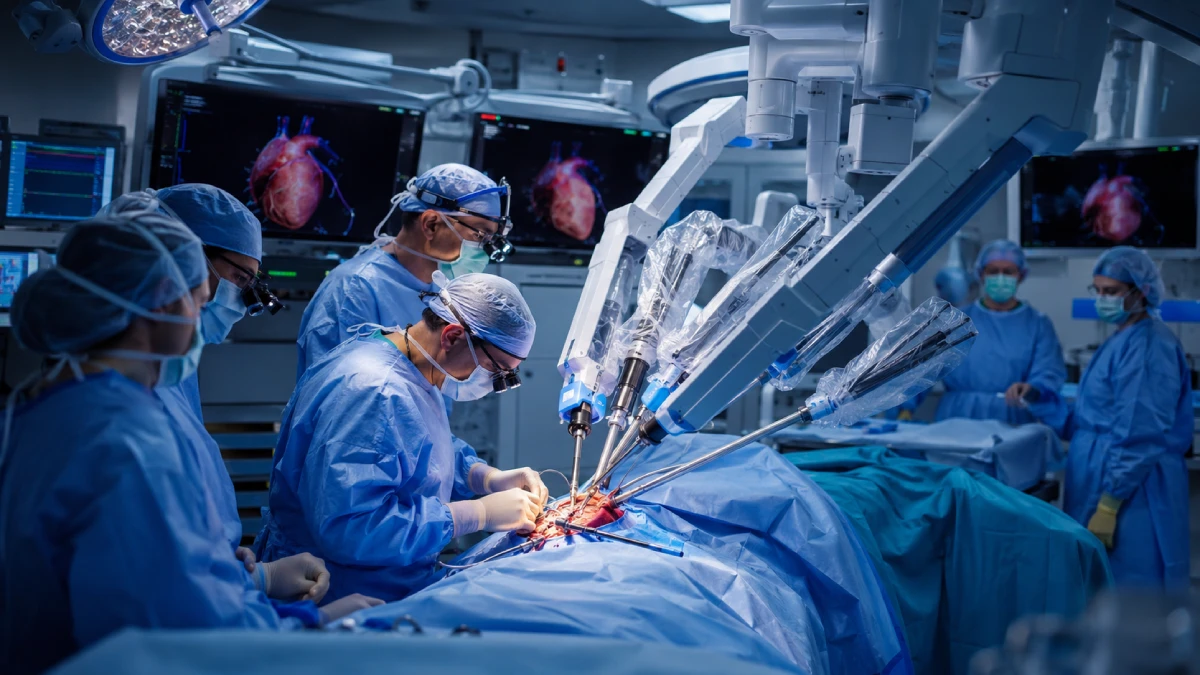
Heart surgery has evolved significantly over the last two decades, offering patients safer procedures, faster recovery, and improved outcomes. One of the most remarkable advancements in modern cardiac care is Robotic Cardiac Surgery. This innovative technique combines the expertise of highly trained cardiac surgeons with advanced robotic technology to perform complex heart procedures through small incisions rather than opening the chest.
Many patients feel anxious after hearing they may require heart surgery. Understanding what happens before, during, and after robotic cardiac surgery can help reduce fear and allow patients and their families to prepare confidently.
This comprehensive guide explains every stage of robotic heart surgery—from the initial consultation to full recovery—so you know exactly what to expect.
What Is Robotic Cardiac Surgery?
Robotic Cardiac Surgery is an advanced minimally invasive technique where specially designed robotic instruments are controlled entirely by an experienced cardiac surgeon. Contrary to popular belief, the robot never performs the operation independently. Every movement is directed with precision by the surgeon through a sophisticated robotic console.
Instead of making a large incision through the breastbone, robotic surgery uses several small openings between the ribs. High-definition 3D visualization and robotic instruments allow surgeons to perform delicate heart procedures with exceptional accuracy.
This approach minimizes surgical trauma while maintaining the same high standards of safety and effectiveness as traditional open-heart surgery.
Who May Benefit from Robotic Heart Surgery?
Robotic cardiac surgery may be recommended for carefully selected patients depending on their heart condition, overall health, and surgical requirements.
It is commonly performed for:
- Mitral valve repair
- Selected coronary artery bypass procedures
- Atrial septal defect (ASD) closure
- Certain heart tumor removals
- Tricuspid valve procedures
- Cardiac rhythm surgeries
Not every patient is a candidate. A comprehensive evaluation helps determine whether robotic surgery is the safest and most effective treatment option.
Preparing for Robotic Cardiac Surgery
Preparation begins several days or weeks before surgery. Your cardiac team carefully evaluates your medical condition and creates a personalized treatment plan.
Medical Evaluation
Your surgeon may recommend:
- Detailed physical examination
- Blood investigations
- ECG
- Echocardiography
- CT scan
- Coronary angiography (when required)
- Chest imaging
- Lung function tests
Medication Review
Your doctor will review all medications including blood thinners, diabetes medicines, blood pressure medications, and dietary supplements. Certain medications may need temporary adjustment before surgery.
Lifestyle Preparation
Patients are usually advised to:
- Stop smoking
- Avoid alcohol
- Maintain healthy nutrition
- Stay physically active if medically permitted
- Follow fasting instructions before surgery
What Happens on the Day of Surgery?
On the day of surgery, patients are admitted to the hospital several hours before the procedure.
The medical team will:
- Verify medical records
- Review imaging reports
- Confirm consent
- Start intravenous medications
- Prepare the operating area
- Administer general anesthesia
Once anesthesia takes effect, the patient remains completely asleep throughout the operation.
How Is Robotic Cardiac Surgery Performed?
Unlike conventional open-heart surgery, robotic procedures require only a few small incisions between the ribs.
During surgery:
- Small surgical ports are created.
- A high-definition robotic camera provides a magnified 3D view.
- Specialized robotic instruments are inserted.
- The surgeon controls every instrument from the robotic console.
- The heart procedure is performed with exceptional precision.
The robotic system enhances the surgeon’s natural hand movements while filtering unwanted tremors and allowing greater flexibility inside the chest.
How Long Does the Procedure Take?
The duration varies depending on the complexity of the operation.
- Simple procedures: approximately 2–3 hours
- Valve repair surgeries: around 3–5 hours
- Complex procedures: may require longer operative times
Your surgeon will provide a more accurate estimate based on your specific condition.
Immediately After Surgery
Following surgery, patients are transferred to the Cardiac Intensive Care Unit (ICU) for continuous monitoring.
During the initial recovery period, the healthcare team closely observes:
- Heart rhythm
- Blood pressure
- Oxygen levels
- Breathing
- Pain management
- Fluid balance
Many patients begin waking up within a few hours after surgery.
Hospital Recovery
One of the greatest advantages of robotic heart surgery is faster recovery inside the hospital.
Patients are usually encouraged to:
- Sit up early
- Walk with assistance
- Practice breathing exercises
- Resume light eating as advised
Depending on the procedure and individual recovery, many patients return home within a few days.
Recovery at Home
Recovery continues after discharge. Following your surgeon’s instructions is essential for optimal healing.
Physical Activity
- Take short daily walks.
- Gradually increase activity levels.
- Avoid heavy lifting.
- Follow rehabilitation recommendations.
Nutrition
A heart-healthy diet supports healing and long-term cardiovascular health.
Focus on:
- Fresh fruits
- Vegetables
- Whole grains
- Lean protein
- Healthy fats
- Reduced salt intake
Medication
Continue all prescribed medications exactly as directed. Never stop medications without consulting your cardiologist.
Benefits of Robotic Cardiac Surgery
Robotic cardiac surgery offers numerous advantages for appropriately selected patients.
- Smaller incisions
- Less postoperative pain
- Reduced blood loss
- Lower risk of infection
- Minimal scarring
- Shorter hospital stay
- Faster return to daily activities
- Excellent surgical precision
- Enhanced visualization during surgery
Possible Risks
Although robotic cardiac surgery is considered safe in experienced hands, every surgical procedure carries some level of risk.
Potential complications may include:
- Bleeding
- Infection
- Heart rhythm disturbances
- Blood clots
- Stroke (rare)
- Need for conversion to conventional surgery if necessary for patient safety
Your surgeon carefully discusses these risks during the consultation process.
When Should You Contact Your Doctor?
Seek medical attention immediately if you experience:
- Persistent fever
- Increasing chest pain
- Difficulty breathing
- Excessive wound redness or drainage
- Rapid heartbeat
- Swelling of the legs
- Sudden dizziness or fainting
Long-Term Outlook
Most patients who undergo robotic cardiac surgery enjoy excellent long-term outcomes, especially when combined with healthy lifestyle choices, regular medical follow-up, and adherence to prescribed medications.
Maintaining heart health through balanced nutrition, regular exercise, smoking cessation, and routine cardiac evaluations plays a crucial role in preventing future cardiovascular complications.
Frequently Asked Questions (FAQs)
Is robotic heart surgery safer than traditional surgery?
For appropriately selected patients, robotic cardiac surgery offers outcomes comparable to traditional surgery while providing the benefits of minimally invasive techniques.
Will the robot perform the surgery by itself?
No. Every movement of the robotic system is fully controlled by the cardiac surgeon.
Will I have a large scar?
Most patients have only a few small incisions, resulting in significantly less visible scarring than conventional open-heart surgery.
How soon can I return to work?
Recovery varies depending on the procedure and your overall health. Many patients resume normal daily activities sooner than after traditional surgery, following their surgeon’s advice.
Will I need cardiac rehabilitation?
Many patients benefit from a structured cardiac rehabilitation program to improve recovery, physical fitness, and long-term heart health.
Conclusion
Robotic cardiac surgery represents one of the most significant advances in modern heart care. By combining surgical expertise with advanced robotic technology, patients can benefit from smaller incisions, faster recovery, less discomfort, and outstanding clinical outcomes.
If you have been advised to undergo heart surgery, discussing robotic cardiac surgery with an experienced cardiothoracic surgeon can help determine whether this minimally invasive approach is suitable for your condition.
Early diagnosis, timely treatment, and expert surgical care remain the foundation of achieving the best possible heart health and long-term quality of life.