
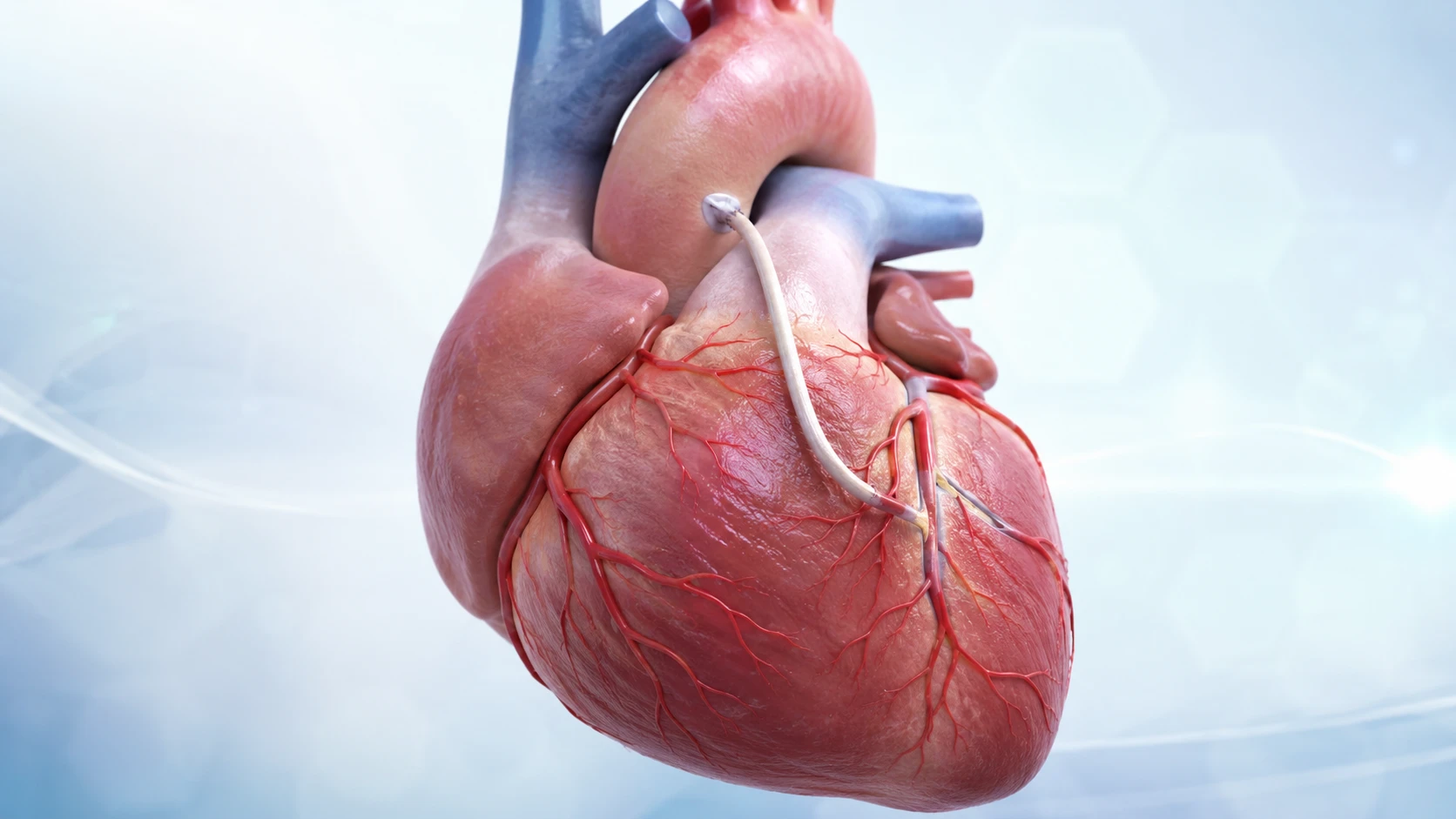
Coronary artery disease develops when the arteries that supply oxygen-rich blood to the heart become narrowed or blocked. When these blockages significantly restrict blood flow, the heart muscle may not receive enough oxygen, particularly during physical activity or stress.
For some patients, medicines and lifestyle changes may be sufficient. Others may benefit from procedures such as angioplasty and stenting. However, when coronary artery disease is severe, complex, or affects multiple important vessels, coronary artery bypass grafting (CABG) may be recommended.
CABG—commonly known as heart bypass surgery—is designed to create a new pathway for blood to reach areas of the heart affected by narrowed or blocked coronary arteries.
This guide explains why CABG is performed, when heart bypass surgery may be needed, how the procedure works, potential benefits and risks, and what patients can generally expect during recovery.

What Is Coronary Artery Disease?
Coronary arteries are the blood vessels that supply the heart muscle with oxygen and nutrients. Over time, fatty deposits and other substances can build up within these arteries, causing them to become narrowed.
This process can reduce blood flow to the heart muscle. Depending on the severity and location of the narrowing, patients may develop symptoms such as chest discomfort, shortness of breath, reduced exercise tolerance, or other signs of inadequate blood supply to the heart.
Some patients may have significant coronary artery disease even without obvious symptoms, which is why appropriate cardiac evaluation is important when risk factors or abnormal test results are present.
What Is CABG Surgery?
Coronary artery bypass grafting is a surgical procedure used to improve blood flow to the heart muscle.
During CABG, a healthy blood vessel from another part of the body is used to create a new route for blood around a narrowed or blocked section of a coronary artery.
The bypass does not remove the original blockage. Instead, it provides an alternative pathway that allows blood to reach the heart muscle beyond the affected area.
Why Is Heart Bypass Surgery Needed?
CABG may be considered when coronary artery disease is significant enough that restoring blood flow through surgery is expected to provide an important clinical benefit.
The decision is not based simply on whether a blockage exists. Cardiologists and cardiac surgeons consider the number of affected arteries, location and severity of disease, symptoms, heart function, previous treatments, overall health, and individual anatomy.
When May CABG Be Recommended?
Heart bypass surgery may be considered in several clinical situations.
1. Multiple Coronary Arteries Are Significantly Narrowed
Some patients develop disease in several major coronary arteries. When multiple important vessels are affected, CABG may provide a way to restore blood flow to several areas of the heart during one operation.
2. A Critical Coronary Artery Is Severely Affected
The importance of a blockage depends not only on its percentage of narrowing but also on where it is located and how much heart muscle depends on that vessel for blood supply.
Severe disease involving strategically important coronary arteries may require careful assessment to determine whether bypass surgery would provide the most appropriate treatment.
3. Symptoms Continue Despite Medical Treatment
Some patients continue to experience symptoms such as chest discomfort or limitation during activity despite receiving appropriate medical therapy.
If inadequate blood flow remains a significant problem, further treatment—including revascularization with CABG or another procedure—may be considered.
4. Angioplasty or Stenting Is Not the Best Option
Coronary angioplasty and stenting are effective treatments for many patients, but they are not suitable for every type of coronary disease.
Complex narrowing, disease affecting several vessels, certain anatomical patterns, or previous unsuccessful interventions may make CABG a more appropriate option.
5. Previous Coronary Treatment Has Not Provided Lasting Control
Some patients who have previously undergone coronary procedures may later develop new or recurrent disease.
When additional catheter-based treatment is not considered appropriate, the cardiac team may evaluate whether bypass surgery is a better strategy.
6. Heart Function Is Being Affected
Long-standing reduction in coronary blood flow can sometimes affect how effectively the heart pumps. When coronary disease and impaired heart function occur together, treatment planning requires careful evaluation.
In selected patients, restoring blood supply through bypass surgery may form part of a broader strategy to protect heart function and improve long-term cardiac health.
What Symptoms Can Occur With Coronary Artery Disease?
Symptoms vary from person to person. Some people have significant disease without typical symptoms, while others develop noticeable problems during physical activity or even at rest.
Possible symptoms can include:
- Chest pain, pressure, heaviness, or discomfort
- Shortness of breath
- Unusual tiredness during activity
- Reduced ability to exercise
- Discomfort that may spread toward the shoulder, arm, neck, jaw, or back
- Other symptoms suggestive of reduced blood flow to the heart
Chest discomfort can have many causes and should not be self-diagnosed. New, severe, persistent, or rapidly worsening symptoms require prompt medical assessment.
How Do Doctors Decide Whether CABG Is Needed?
The decision to recommend bypass surgery is made after reviewing the patient’s symptoms, medical history, heart function, coronary anatomy, and results of cardiac investigations.
Several factors may influence the recommendation.
Number of Affected Coronary Arteries
Doctors assess how many major vessels are narrowed and which areas of the heart they supply.
Location of the Blockages
The position of a blockage can be as important as its severity. Disease in certain major vessels may have greater clinical significance.
Complexity of Coronary Disease
Some coronary narrowing is relatively straightforward, while other disease patterns are long, calcified, diffuse, or involve branching points. Complex anatomy can influence whether surgery or catheter-based treatment is more appropriate.
Heart Pumping Function
Doctors assess how well the heart is pumping because this information can affect treatment planning and surgical risk assessment.
Other Medical Conditions
Conditions affecting the kidneys, lungs, blood vessels, nervous system, or other organs can influence the choice and timing of treatment.
Previous Cardiac Procedures
Previous angioplasty, stents, heart surgery, or other cardiac procedures are considered when planning further treatment.
What Tests May Be Performed Before CABG?
Before recommending bypass surgery, the medical team generally performs a detailed cardiac and overall health assessment.
Depending on the patient’s individual condition, investigations may include:
- Electrocardiogram (ECG)
- Echocardiography
- Blood tests
- Coronary angiography
- Chest imaging
- CT or other advanced imaging when required
- Kidney function assessment
- Lung function assessment when appropriate
- Additional tests based on medical history
The tests required vary between patients. Their purpose is to understand coronary anatomy, heart function, overall surgical fitness, and factors that may influence the procedure.
How Is CABG Surgery Performed?
During coronary artery bypass surgery, the surgeon uses suitable blood vessels to create new routes around diseased coronary arteries.
Depending on the patient’s anatomy and treatment plan, graft vessels may be obtained from the chest, arm, or leg.
One end of the graft is positioned so that blood can travel through the new pathway and reach the coronary circulation beyond the blockage.
The number of bypass grafts required depends on the number and location of coronary arteries that need treatment.
What Does Single, Double, Triple or Quadruple Bypass Mean?
These terms generally describe the number of coronary artery pathways that are bypassed during surgery.
- Single bypass: one coronary pathway is bypassed.
- Double bypass: two pathways are bypassed.
- Triple bypass: three pathways are bypassed.
- Quadruple bypass: four pathways are bypassed.
The number of bypasses does not by itself describe the overall severity or complexity of a patient’s condition. Treatment planning depends on the complete coronary anatomy and clinical situation.
Traditional CABG and Less Invasive Approaches
Conventional CABG provides wide surgical access and remains an important approach for patients who require multiple or complex bypass grafts.
Selected patients with suitable coronary anatomy may sometimes be evaluated for less invasive surgical approaches that use smaller access points.
The choice depends on which approach allows the necessary bypass grafting to be performed safely and effectively.
What Are the Potential Benefits of CABG?
The main objective of bypass surgery is to improve blood flow to heart muscle affected by coronary artery disease.
Potential benefits in appropriately selected patients can include:
- Improved blood supply to heart muscle
- Relief or reduction of symptoms related to reduced coronary blood flow
- Improved ability to perform daily activities in some patients
- Reduced limitations caused by coronary symptoms
- Protection of heart function in selected clinical situations
- Long-term treatment of complex coronary artery disease in appropriately selected patients
The expected benefits vary according to coronary anatomy, heart function, overall health, and individual clinical circumstances.
Are There Risks With Heart Bypass Surgery?
CABG is major cardiac surgery, and like any major operation, it carries potential risks.
Depending on individual circumstances, possible complications can include:
- Bleeding
- Infection
- Abnormal heart rhythms
- Blood clot-related complications
- Breathing or lung problems
- Kidney-related complications
- Neurological complications
- Problems affecting wound healing
- Need for additional treatment or intervention
The actual risk for an individual patient depends on factors such as age, heart function, other medical conditions, urgency of surgery, and complexity of coronary disease.
The cardiac surgical team should discuss individualized benefits and risks before treatment.
CABG vs Angioplasty and Stenting
CABG and angioplasty are both used to improve blood flow in patients with coronary artery disease, but they achieve this in different ways.
| Factor | CABG Surgery | Angioplasty / Stenting |
|---|---|---|
| Approach | Surgical creation of a new blood-flow pathway | Catheter-based opening of a narrowed artery |
| Coronary Disease | Often considered for selected complex or multi-vessel disease | Suitable for many selected coronary blockages |
| Recovery | Requires surgical recovery | Usually involves a shorter immediate recovery period |
| Treatment Selection | Depends on anatomy, disease complexity, heart function and overall clinical condition | |
One treatment is not automatically better than the other for every patient. The most appropriate option should be selected after individualized assessment.
What Happens After CABG Surgery?
Following bypass surgery, patients are closely monitored while the heart, lungs, circulation, blood pressure, oxygen levels, and other important functions stabilize.
As recovery progresses, patients usually move toward increasing mobility, eating normally, performing basic activities, and preparing for discharge.
The exact sequence and timing vary according to the procedure and the patient’s postoperative progress.
Recovery After Heart Bypass Surgery
Recovery after CABG is gradual. Patients should follow the instructions provided by their cardiac surgical team rather than comparing their progress with someone else’s experience.
Early Recovery
During the early phase, priorities generally include pain management, monitoring, breathing exercises, wound care, and gradual movement.
Increasing Activity
Walking and light activity may be introduced gradually when medically appropriate. Activity should increase according to the healthcare team’s recommendations.
Wound Care
Patients should follow specific instructions for keeping surgical sites clean and monitoring healing.
Returning to Routine Activities
Driving, work, exercise, lifting, travel, and other activities should be resumed only according to individualized medical advice.
Cardiac Rehabilitation
When recommended, cardiac rehabilitation can provide structured support through supervised exercise, education, lifestyle guidance, and cardiovascular risk-factor management.
How Long Does Recovery After CABG Take?
There is no single recovery timeline that applies to everyone. Recovery depends on the surgical approach, number and complexity of bypasses, age, overall health, heart function, other medical conditions, complications, and individual healing.
Your cardiac surgical team can provide more personalized guidance based on how your recovery is progressing.
Does CABG Cure Coronary Artery Disease?
CABG can improve blood flow around significant coronary blockages, but it does not remove the underlying tendency to develop coronary artery disease.
Long-term heart health therefore remains important after surgery.
Patients may be advised to continue measures such as:
- Taking prescribed medicines correctly
- Managing blood pressure
- Managing cholesterol
- Controlling diabetes when present
- Maintaining appropriate physical activity
- Following dietary advice
- Avoiding tobacco exposure
- Attending regular cardiac follow-up
These measures should be individualized according to medical advice.
Questions to Ask Before CABG Surgery
Patients and families may find it helpful to discuss the following questions with the cardiac surgical team:
- Why is bypass surgery being recommended?
- Which coronary arteries are affected?
- How many bypass grafts may be required?
- Is angioplasty an alternative in my case?
- What benefits are expected from surgery?
- What risks apply specifically to me?
- Which type of bypass surgery is planned?
- How long might I need to stay in hospital?
- What should I expect during recovery?
- When may I return to routine activities?
- Will I require cardiac rehabilitation?
- What long-term medicines and lifestyle changes will be important?
Frequently Asked Questions About CABG
What does CABG stand for?
CABG stands for coronary artery bypass grafting. It is a surgical procedure that creates a new pathway for blood to flow around significantly narrowed or blocked coronary arteries.
Is CABG the same as open heart surgery?
CABG is a type of cardiac surgery. Conventional bypass surgery commonly involves open surgical access to the chest, although selected patients may sometimes be considered for less invasive approaches.
How many arteries can be bypassed?
The number varies according to the patient’s coronary anatomy. One or several coronary pathways may require bypass grafting.
Is bypass surgery better than a stent?
Neither treatment is universally better. The appropriate choice depends on the location and complexity of coronary disease, number of vessels involved, heart function, medical history, and other individual factors.
Can coronary arteries become blocked again after CABG?
Coronary artery disease can continue to progress after surgery, and grafts can also develop disease over time. Long-term medicines, cardiovascular risk-factor management, healthy lifestyle measures, and regular follow-up therefore remain important.
Can a patient live a normal life after CABG?
Many patients are able to return gradually to everyday activities after recovery, but the extent and timing vary between individuals. Long-term outcomes depend on heart function, other medical conditions, lifestyle, adherence to treatment, and follow-up care.
When Should You Seek Medical Evaluation?
Persistent or recurring chest discomfort, unexplained shortness of breath, reduced exercise tolerance, or other concerning symptoms should be medically evaluated.
New, severe, or rapidly worsening symptoms—particularly symptoms that may suggest an acute heart problem—require urgent medical assessment rather than waiting for a routine appointment.
Choosing the Right Treatment for Coronary Artery Disease
The treatment of coronary artery disease is highly individualized. Some patients can be managed effectively with medication and lifestyle measures, while others may require angioplasty, stenting, CABG, or a combination of approaches.
When bypass surgery is being considered, the decision should be based on coronary anatomy, severity and location of disease, heart function, symptoms, overall health, and the expected benefits and risks of each available treatment.
The aim is not simply to treat an angiogram or a percentage of blockage, but to select the treatment strategy that is appropriate for the individual patient’s heart and overall clinical condition.
Consult Dr. Arunansu Dhole for CABG and Advanced Cardiac Surgical Care
Dr. Arunansu Dhole, MBBS, DNB, MCh (CTVS), MRCS (Eng), is a Cardiothoracic & Vascular Surgeon providing advanced cardiac surgical care, including coronary artery bypass surgery, minimally invasive cardiac surgery, robotic cardiac surgery, and heart valve surgery.
If you have been diagnosed with coronary artery disease or have been advised to consider bypass surgery, a detailed cardiac surgical consultation can help clarify the severity of the disease and the available treatment options.
Schedule a consultation with Dr. Arunansu Dhole for individualized evaluation and discussion of CABG and other cardiac treatment options.
Important Medical Information
This article is intended for general educational purposes only and should not be used for self-diagnosis or as a substitute for professional medical advice, diagnosis, or treatment. Whether CABG, angioplasty, medication, or another treatment is appropriate depends on individual clinical circumstances. Patients should consult a qualified cardiologist or cardiothoracic surgeon for personalized evaluation and treatment recommendations.